
A clogged drain is a common plumbing problem. Sometimes, the cause is simple: hair in a shower drain, food buildup in a kitchen sink, or debris caught close to the fixture.
But when multiple drains slow down, the same clog keeps returning, or water begins backing up into other fixtures, the problem may be deeper in your plumbing system.
At Flow Pro Plumbing and Drain Cleaning, we help homeowners determine whether they need routine drain cleaning or are dealing with a larger sewer line problem. Knowing the warning signs can help you address the issue before it turns into a major backup.
Individual fixtures have drain lines that eventually connect to your home’s main sewer line.
If only one sink or shower is draining slowly, the clog is often isolated to that fixture’s drain. A sewer line clog, however, can affect several fixtures because the blockage is located in a pipe that serves a larger portion of your plumbing system.
Here are some of the biggest signs your clogged drain may actually be a sewer line problem:
One slow sink usually points to a localized clog. If your sinks, showers, tubs, and toilets suddenly begin draining slowly around the same time, the blockage may be farther down the system.
The more fixtures affected, especially in different areas of your home, the more important it is to have a professional plumber investigate.
Your plumbing fixtures shouldn’t regularly react to one another.
If flushing a toilet causes a shower drain to gurgle, or running the washing machine makes the toilet bubble, wastewater or air may not be moving freely through the plumbing system.
Gurgling doesn’t automatically mean your sewer line is damaged, but combined with slow drains or backups, it’s a warning sign worth investigating.
Water appearing in a different fixture is a strong indication that the problem extends beyond one drain.
You might flush a toilet and notice water rising in the bathtub, or run the washing machine and see water appear in a nearby shower.
When wastewater can’t continue through a blocked line, it may back up through another available drain.
If you’re clearing the same drain every few weeks, the underlying problem may never have been fully resolved.
Recurring clogs can result from grease, hair, soap residue, mineral buildup, foreign objects, or a deeper blockage.
Professional drain cleaning can remove stubborn buildup instead of simply creating a temporary path through the clog. If the problem continues returning after cleaning, further inspection may be needed.
Persistent sewage-like odors coming from your drains shouldn’t be ignored.
Several plumbing issues can cause these smells, including drain, trap, or venting problems. However, if sewer odors occur along with gurgling, slow drainage, or recurring backups, it’s a good idea to contact a local plumber.
Main sewer line problems may first become noticeable at some of the lowest drains in your home.
If water or sewage begins appearing around a basement floor drain, first-floor shower, or bathtub, don’t assume that particular fixture is the source of the problem. The actual blockage could be farther downstream.
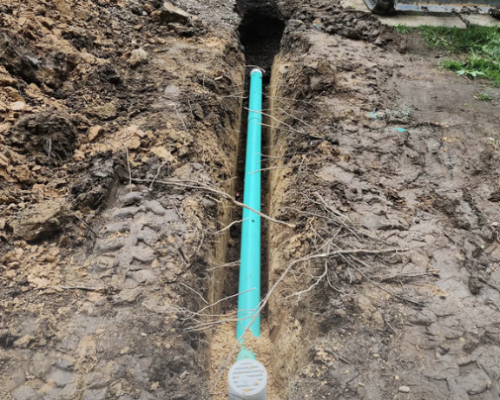
Some sewer line problems can also produce warning signs outside.
Unexplained soggy areas, sewer odors, unusually lush patches of grass, or changes in the ground above the sewer line may warrant an inspection, especially when combined with drainage problems inside the home.
Main sewer lines can become blocked or damaged for several reasons.
Grease, waste, wipes, and other debris can gradually restrict the pipe. Tree roots may enter through existing cracks or joints, while older sewer lines can deteriorate, shift, crack, sag, or collapse over time.
That’s why identifying the location of a clog isn’t always enough. Understanding why the blockage occurred is important for determining the right solution.
Chemical drain cleaner isn’t designed to solve many significant main sewer line problems.
If multiple fixtures are backing up, pouring cleaner into one drain won’t necessarily reach or remove the underlying blockage.
Depending on the cause, a plumber may recommend professional drain cleaning, hydro jetting, or a sewer camera inspection to determine what’s happening inside the line.
If sewer problems keep returning or the cause isn’t clear, a video drain inspection may help identify the problem.
A camera can allow a plumber to examine accessible sections of the sewer line for issues such as heavy buildup, root intrusion, cracks, displaced connections, or damaged pipe.
This information can help determine whether cleaning is enough or whether sewer line repair or replacement should be considered.
No. A sewer line clog doesn’t automatically mean you need a new sewer line.
Some blockages can be removed through professional cleaning. Other problems may only require repairing a damaged section. More extensive deterioration or structural damage may require replacement.
The right solution depends on the cause, location, severity, and overall condition of the pipe.
Good plumbing habits can reduce the likelihood of unnecessary blockages. Avoid putting fats, oils, and grease down kitchen drains, use drain strainers to catch hair and food debris, and don’t flush wipes or other materials that don’t break down easily.
Most importantly, pay attention to early warning signs. Slow drains, recurring clogs, and unusual gurgling are often easier to address before they become complete backups.
One slow drain doesn’t necessarily mean you have a sewer line problem. But you should consider calling a local plumber when you’re experiencing multiple slow drains, repeated clogs, sewer odors, gurgling fixtures, or wastewater backing up through other drains.
If sewage is actively backing up into your home, limit water use and contact a plumber promptly. Continuing to use toilets, showers, sinks, and appliances can add more wastewater to an already restricted system.
When a drain keeps clogging, simply getting the water moving again may not fix the real problem. Finding the cause takes the right tools, experience, and plumbing knowledge.
As a trusted local plumber, Flow Pro Plumbing and Drain Cleaning has the experience to determine whether you’re dealing with a routine clog that needs professional drain cleaning or a more serious sewer line problem. Our team takes the time to properly diagnose the issue and recommend the right solution for your plumbing system.
From stubborn clogs to sewer line repair, you can count on Flow Pro for knowledgeable service and straightforward recommendations that address the problem at its source.
If you’re dealing with slow drains, recurring clogs, gurgling fixtures, or a possible sewer line problem, Flow Pro Plumbing and Drain Cleaning can help.
Our experienced plumbers provide professional drain cleaning services, sewer camera inspections, and sewer line repair and replacement to identify the problem and get your plumbing flowing properly again.
Contact Flow Pro Plumbing and Drain Cleaning today to schedule service and Go With The Flow!